
Mert Cağıl Türkay
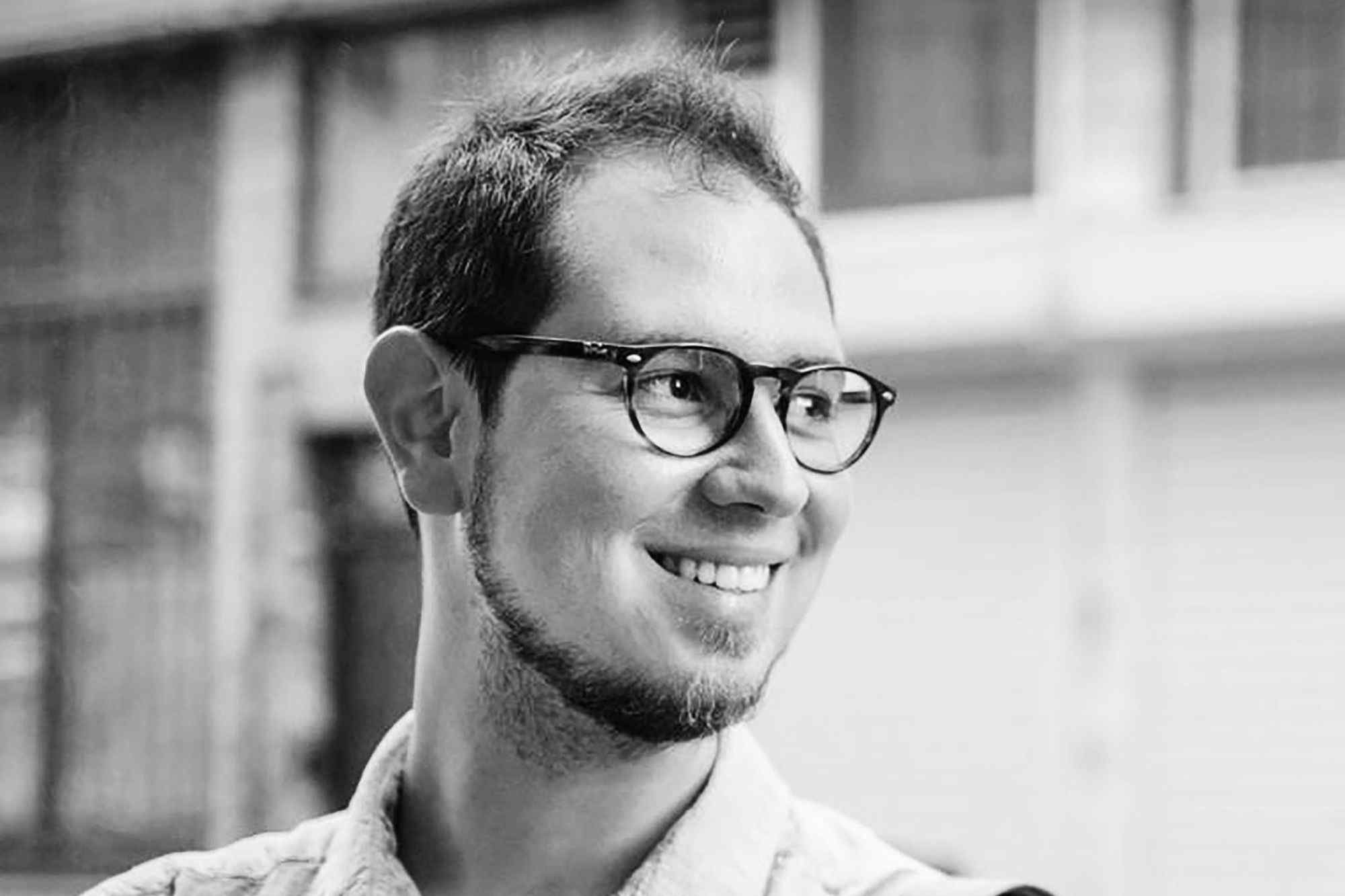
Biyografi
1987 yılında İstanbul’da doğan Mert Çağıl Tükay, fotoğraf pratiğini kuramsal ve kavramsal bir zeminle besleyen bir sanatçı ve akademisyendir. Lisans, yüksek lisans ve sanatta yeterlik eğitimini Mimar Sinan Güzel Sanatlar Üniversitesi Fotoğraf Bölümü’nde tamamlayan Türkay, aynı kurumda öğretim üyesi olarak çalışmalarını sürdürmekte; üretim ile akademik düşünceyi paralel bir hat üzerinde geliştirmektedir.
Sanatsal pratiği, yalnızca fotoğraf üretimiyle sınırlı kalmayıp alternatif fotoğraf baskı teknikleri, enstalasyon ve video gibi farklı mecralara da uzanır. Bu çok katmanlı yaklaşım, onun görsel anlatıyı sabit bir temsil alanı olmaktan çıkararak, mekânsal ve zamansal bir deneyime dönüştürme arzusunu yansıtır. Çalışmalarında sıklıkla birey, beden ve iktidar ilişkileri ekseninde yoğunlaşan Türkay, bu kavramları hem politik hem de varoluşsal bağlamlarda ele alır. Ulusal ve uluslararası birçok platformda yer alan sanatçı; “International Print Triennial / Interfaces”, “Realm – Eyes On / Monat der Fotografie Wien”, “Mamut Art Project”, “TÜYAP Sanat Fuarı” ve “Aspects of Balkan Photography” gibi önemli etkinliklerde sergiler ve atölye çalışmaları gerçekleştirmiştir. Bu bağlamda üretimleri, farklı coğrafyalarda değişen izleyici kitleleriyle buluşarak çok yönlü bir tartışma alanı yaratır.
Biography
Born in Istanbul in 1987, Mert Çağıl Türkay is an artist and academic whose photographic practice is informed by a theoretical and conceptual foundation. Having completed his BA, MA, and Doctorate in Arts at the Photography Department of Mimar Sinan Fine Arts University, Türkay continues his work as a faculty member at the same institution, developing artistic production and academic thought along parallel lines.
His artistic practice is not limited solely to photographic production, but also extends to different media such as alternative photographic printing techniques, installation, and video. This multilayered approach reflects his desire to transform visual narrative from a fixed field of representation into a spatial and temporal experience. In his works, Türkay frequently focuses on the axis of relationships between the individual, the body, and power, approaching these concepts within both political and existential contexts. The artist, who has participated in numerous national and international platforms, has realized exhibitions and workshops at significant events such as “International Print Triennial / Interfaces,” “Realm – Eyes On / Monat der Fotografie Wien,” “Mamut Art Project,” “TÜYAP Art Fair,” and “Aspects of Balkan Photography.” In this context, his productions create a multidimensional field of discussion by engaging with diverse audiences across different geographies.
BEJ BEYRUT, 2022
Fotoğraf serisi, 2022 yılında savaş sonrası yeniden yapılanma sürecinin kırılgan eşiğinde duran Beyrut’un görsel ve duygusal topoğrafyasını belgelemeyi amaçlar. Kent, fiziksel olarak ayakta kalmış olsa da mekânsal sürekliliğin ardında katmanlaşmış bir travma, bellek ve belirsizlik hissi taşımaktadır. Bu çalışma, tam da bu eşikte, iyileşme ile tedirginlik, gündelik hayat ile bastırılmış yıkım arasındaki gerilimde konumlanır.
Serinin estetik omurgasını oluşturan “bej” ton, yalnızca mimari yüzeylerin ve tozun doğal bir sonucu değil; aynı zamanda psikolojik bir ara bölgeyi temsil eder. Bej ne tam anlamıyla canlı ne de tamamen solgundur; bu açıdan, Beyrut’un savaş sonrası ruh halinin görsel bir karşılığıdır. Renk kuramı bağlamında bej, doygunluğu düşürülmüş bir varoluşu ima ederken, burada aynı zamanda kolektif hafızanın silinmeye yüz tutmuş izlerini de çağrıştırır. Bu tonal tercih, izleyiciyi dramatik karşıtlıkların dışına çekerek daha sessiz, daha içsel bir yüzleşmeye davet eder.
Fotoğraflar, gündelik hayatın sürekliliği içinde gizlenen kırılmaları araştırır. Cephelerdeki çatlaklar, yeniden boyanmış ama hâlâ iz taşıyan duvarlar; tümü, zamansal bir süreksizliğin görsel göstergeleri olarak ele alınır. İnsan figürü çoğu zaman kadrajda ana öge konumunda olmak yerine mekânla bütünleşmiş olarak sunulmuştur. Bu tercih, bireysel hikâyelerden ziyade kolektif bir ruh halini görünür kılmayı hedefler. Seri, Beyrut’u yalnızca coğrafi bir mekân olarak değil, travmanın, direncin ve belirsizliğin iç içe geçtiği bir duygusal alan olarak ele alır. İzleyici, bu fotoğraflar aracılığıyla, görünürde sakin ama derininde hâlâ hareketli bir kentin sessiz tanığı olmaya davet edilir.
BEIGE BEIRUT, 2022
The photo series aims to document the visual and emotional topography of Beirut in 2022, standing at the fragile threshold of post-war reconstruction. Although the city has physically remained standing, behind its spatial continuity lies a layered sense of trauma, memory, and uncertainty. This work situates itself precisely at that threshold, within the tension between healing and unease, between everyday life and suppressed destruction.
The “beige” tone that forms the aesthetic backbone of the series is not merely a natural result of architectural surfaces and dust; it also represents a psychological in-between zone. Beige is neither fully vivid nor completely faded; in this sense, it becomes a visual counterpart to Beirut’s post-war state of mind. Within the context of color theory, beige implies a desaturated mode of existence, while here it simultaneously evokes the traces of collective memory that are on the verge of erasure. This tonal choice invites the viewer away from dramatic contrasts toward a quieter, more introspective confrontation.
The photographs explore the fractures hidden within the continuity of everyday life. Cracks on facades, walls that have been repainted yet still bear traces of the past — all are approached as visual indicators of a temporal discontinuity. Human figures are often presented not as the primary element within the frame, but as integrated into the space itself. This choice aims to make visible a collective state of mind rather than individual stories. The series approaches Beirut not merely as a geographical place, but as an emotional terrain where trauma, resilience, and uncertainty intertwine. Through these photographs, the viewer is invited to become a silent witness to a city that appears calm on the surface, yet remains deeply unsettled beneath it.