
Murat Gür
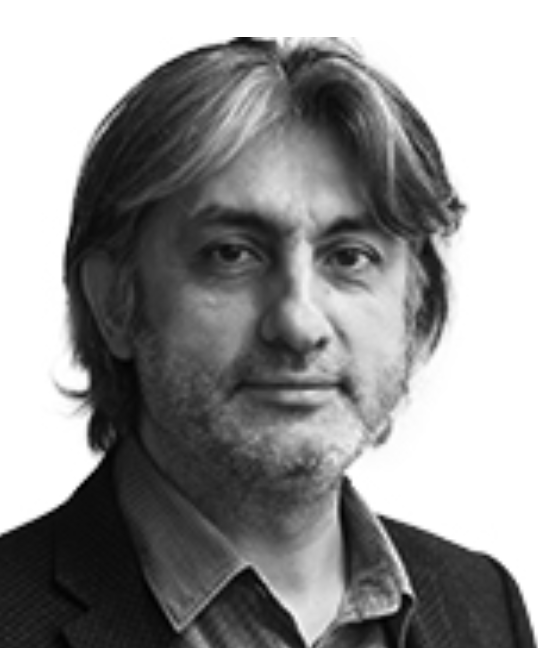
Biyografi
1970 yılında Almanya'da doğan Murat Gür, İzmir, Türkiye'deki Dokuz Eylül Üniversitesi'nden mezun oldu. Kariyerine 1986 yılında ilk kamerasıyla tanışarak başladı. Arkadaşlarıyla birlikte Dokuz Eylül Üniversitesi İİBF Fotoğrafçılık Kulübü'nü kurdu. 1992-1993 yılları arasında Turkish Daily News gazetesinin İzmir bürosunda muhabir olarak çalıştı. Dokuz Eylül Üniversitesi öğrencileri tarafından yayınlanan Özgür Üniversiteli gazetesinde yazılar yazdı.
Fotoğraf ve yazıları 2001-2007 yılları arasında Photoline Fotoğraf dergisinde yayınlandı. 2007-2015 yılları arasında PhotoWorld Fotoğraf Dergisi'nde Genel Yayın Yönetmeni ve Eğitim Koordinatörü olarak görev yaptı. Türkiye Fotoğraf Vakfı ve Foton Derneği'nin yönetim kurulu üyesi olan Murat Gür, Turkish Airlines Skylife Dergisi'nde fotoğraf editörlüğü yapmış, Kocaeli Üniversitesi Güzel Sanatlar Fakültesi Fotoğraf Bölümü'nde öğretim görevlisi olarak çalışmış ve birçok özel kurumda fotoğraf, video ve sinema dersleri vermiştir.
Birçok sergi ve panelin küratörlüğünü üstlendi. ZFotoFest Uluslararası Fotoğraf Festivali'nin Sanat Yönetmeniydi. Kültür ve Turizm Bakanlığı tarafından düzenlenen 2021-2023 Beyoğlu Kültür Yolu Festivalleri'nin Küratörüydü. Gürsoy Grup yayınlarına sanat yönetmenliği ve fotoğraflarıyla katkıda bulundu.
Mustafa Yılmaz ile birlikte "Suret'i Cihan" kitabı yayınlandı. Atatürk Üniversitesi Açıköğretim Fakültesi Fotoğraf Bölümü Lisans Tamamlama Kitabı'na 4 üniteyle destek verdi.
Yurt içinde ve yurt dışında Katar, İngiltere, Macaristan, Letonya ve Çin'de birçok yerde sergiler açtı.
Bağımsız olarak dergiler için bizzat fotoğraf çeken ve birçok sosyal sorumluluk projesine katılan sanatçı, Zeytinburnu Kültür Merkezi'nde fotoğraf dersleri vermektedir. Fatih Belediyesi Yeditepe Kültür ve Sanat Dergisi'nin Sanat Yönetmeni ve 5 dilde yayınlanan Fotosfer Fotoğraf Kültürü Dergisi'nin Genel Yayın Yönetmenidir. Marmara Üniversitesi Güzel Sanatlar Enstitüsü'nde yüksek lisans öğrencisidir. Leica Camera Turkey'de Danışman ve Eğitmen olarak görev yapmaktadır.
Biography
Born in 1970 in Germany, Murat Gür graduated from Dokuz Eylül University, İzmir, Turkey. He started his career by meeting his first camera in 1986. He founded the Dokuz Eylül University İİBF Photography Club with his friends. Between 1992 and 1993, he worked as a correspondent in the Izmir office of the Turkish Daily News. He wrote articles for Özgür Üniversiteli newspaper published by Dokuz Eylül University students.
His photographs and articles were published in Photoline Photography magazine between 2001 and 2007. Between 2007 and 2015, he was the Editor-in-Chief and Education Coordinator of PhotoWorld Photography Magazine. Murat Gür, who is a member of the board of directors of the Turkish Photography Foundation and Foton Association, has undertaken the role of photography editor for Turkish Airlines Skylife Magazine, has been a lecturer at Kocaeli University Fine Arts Faculty Photography Department, and a lecturer of photography, video and cinema courses at many private institutions.
He curated many exhibitions and panels. He was the Artistic Director of the ZFotoFest International Photography Festival. He was the Curator of the 2021-2023 Beyoğlu Culture Route Festivals organized by the Ministry of Culture and Tourism. He contributed to Gürsoy Group publications with his art direction and photographs.
Together with Mustafa Yılmaz, he published the book "Suret'i Cihan". He contributed to Atatürk University Open Education Faculty, Department of Photography Degree Book with 4 units.
He held exhibitions in many places at home and abroad, including Qatar, England, Hungary, Latvia, and China.
The artist, who personally takes photographs for magazines at Freelens and participates in many social responsibility projects, teaches photography at Zeytinburnu Cultural Center. He is the Art Director of Fatih Municipality Yeditepe Culture and Art Magazine, and the Editor-in-Chief of Fotosfer Photography Culture Magazine, which is published in 5 languages. He is a master's student in photography at Marmara University, Institute of Fine Arts. He is a Consultant and Trainer at Leica Camera Turkey.
Acayip Yaratıklar – Acâib'ül-mahlûkât
Eskiden coğrafya ve seyahatle ilgili kitaplara genellikle “Acâibü’l-büldân”, “Acâibü’l-mahlûkât” gibi isimler verilirdi. Bu eserler sadece birer seyahat ve coğrafya kitabı olmayıp, pek çok “acâib”i ve mitolojik bilgileri de ihtiva ederler. Kazvînî’nin (ö. 682/1283) kaleme aldığı Acâ’ibü’l-mahlûkat ve ğarâ’ibü’l-mevcûdât adlı coğrafi ve kozmografik eser ise kendi türü içinde çok beğenilmiş, kısaltılarak veya aynen tercüme edilerek, bazen de ilavelerle İran ve Türk edebiyatlarına kazandırılmıştır. Sanatçının “Acâibü’l-mahlûkât” adlı çalışması, Kazvînî’nin eserine ait yurt dışındaki kütüphane/koleksiyonlardaki minyatür çalışmaları ile kendi fotoğraflarının bir araya getirilerek ”Acâib” temasını tek çerçevede yeniden işlemekte. Sekiz asır önce, ”acâib” canlıların ve eylemlerinin bugüne taşındığında ne kadar masum ve normal, hatta karikatürize olduğu düşüncesinden hareketle, buluştukları yeni mekânlarının, dönemin ise bir o kadar ”acâib” kalması üzerine bir görselleştirme. Fotoğrafın köşeli çerçevesi içinde güncel olanla, eski olan iç içe geçtiğinde hangisinin acayip olduğuna form, yapıldığı zaman mı karar verir, yoksa içeriğin derin tahlili mi? Bakış açısının da çerçeve içine geçen çerçeveye dönüşmesi belki bu soruyu açımlamak için kullanılabilir.
Strange Creatures — Acâib'ül-mahlûkât
In the past, books on geography and travel were often given names such as "Acâibü'l-büldân" (Wonders of the Lands) and "Acâibü'l-mahlûkât" (Wonders of Creation). These works were not merely travel or geography books but also contained many "wonders" and mythological knowledge. The geographical and cosmographical work titled Acâ'ibü'l-mahlûkat ve ğarâ'ibü'l-mevcûdât (Wonders of Creation and Curiosities of Existence) by Qazwīnī (d. 682/1283) was highly admired within its genre; it was abridged or translated in full, and sometimes with additions, and thus introduced into Persian and Turkish literatures. The work titled "Acâibü'l-mahlûkât" brings together the miniature studies found in libraries/collections abroad related to Qazwīnī's work with the artist’s photographs, reinterpreting the theme of "wonders" within a single frame. Based on the idea that when the "wondrous" creatures and their actions from eight centuries ago are brought to the present day, they appear so innocent, ordinary, even caricatured, this is a visualization of how their new meeting places — and indeed the era itself — remain just as "wondrous." When the modern and the ancient intertwine within the angular frame of a photograph, what decides which one is strange: form, the time it was made, or an in-depth analysis of the content? Perhaps the transformation of the point of view into a frame that itself passes into another frame can be used to elucidate this question.