
Mustafa Bilge Satkın
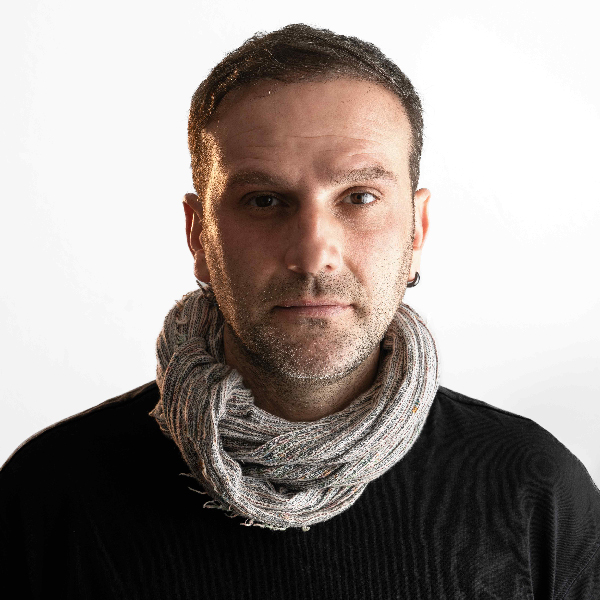
Biyografi
İstanbul merkezli belgesel fotoğrafçı Mustafa Bilge Satkın, Marmara Üniversitesi Güzel Sanatlar Fakültesi Fotoğraf Bölümü’nde Profesör olarak görev yapmaktadır. Lisans ve yüksek lisans eğitimini Marmara Üniversitesi’nde, Sanatta Yeterlik derecesini ise Mimar Sinan Güzel Sanatlar Üniversitesi’nde tamamlayan Satkın’ın çalışmaları; toplumsal adaletsizlik, iklim krizi, göç ve çevresel dönüşüm gibi küresel meselelere odaklanmaktadır. Özellikle Türkiye ve Orta Doğu coğrafyasındaki uzun soluklu projelere yoğunlaşan sanatçı, insan odaklı anlatılarıyla tanınmaktadır.
Satkın’ın eserleri; Norveç Ulusal Fotoğraf Müzesi (Preus Museum), Viyana Leica Galeri, Katar Tasweer Fotoğraf Festivali, Slovenya Kranj Fotoğraf Festivali ve Xposure Uluslararası Fotoğraf Festivali gibi platformlarda sergilenmiştir. Eserleri Preus Museum’un kalıcı koleksiyonunda yer alan sanatçı; 78. Pictures of the Year International (POY) Environmental Vision Award, Getty Images Editorial Grant, Lucie Foundation “Photo Taken” Grant, Leica Grant, Sheikh Saoud Al Thani Project Award ve Fondation des Treilles Photography Residency Prize sahibidir. Akademik kariyerinin yanı sıra Birleşmiş Milletler Kalkınma Programı (UNDP) bünyesinde gönüllü fotoğrafçı olarak dünyadaki değişim ve dayanıklılık projelerini belgelemeye devam etmektedir.
Biography
Mustafa Bilge Satkın is a documentary photographer based in Istanbul. He completed his Bachelor's and Master's degrees at Marmara University and holds a Proficiency in Arts from Mimar Sinan Fine Arts University. He is a Professor in the Department of Photography at Marmara University. Satkın’s practice is rooted in long-term documentary projects that address global issues such as social injustice, climate change, migration, and environmental transformation, with a distinct geographical focus on Türkiye and the Middle East.
His work has been presented at platforms including the Preus Museum (National Museum of Photography in Norway), Leica Gallery Vienna, Tasweer Photo Festival in Qatar, Kranj Photo Festival in Slovenia, and the Xposure International Photography Festival. His photographs are held in the permanent collection of the Preus Museum. Satkın is the recipient of the 78th Pictures of the Year International (POY) Environmental Vision Award, the Getty Images Editorial Grant, the Lucie Foundation “Photo Taken” Grant, the Leica Grant, the Sheikh Saoud Al Thani Project Award, and the Fondation des Treilles Photography Residency Prize. In addition to his academic career, he collaborates as a volunteer photographer with the United Nations Development Programme (UNDP), documenting global projects centered on social change and resilience.
Antroposen’de İzler
İran coğrafyasındaki inanç sistemleri, yerel üretim pratikleri ve toplumsal yaşam biçimleri arasındaki çok katmanlı ilişkiyi inceleyen bu çalışma, ülkenin batısından doğusuna uzanan farklı gerçeklikleri bir araya getiriyor. Anlatı; kuraklık ve yanlış su politikaları nedeniyle ekolojik çöküşün eşiğine gelen Urumiye Gölü’nden Razavi Horasan’daki safran hasadına, Aşura mateminden Nevruz kutlamalarına uzanan geniş bir görsel hafıza kuruyor. Ritüelleri, bedensel emeği ve mekânsal dönüşümleri harmanlayan fotoğraflar; inancın, üretimin ve kültürel sürekliliğin toplumsal karşılıklarının izini sürüyor. Sergi, yerel pratikleri yalnızca folklorik ögeler olarak değil; tarihsel hafızayı, aidiyeti ve kolektif direnci yaşatan kurucu yapılar olarak konumlandırıyor. Kuruyan havzalardan ritüel alanlarına, tarımsal üretimden kamusal alanlara uzanan bu tanıklık, insan ile coğrafya arasındaki kırılgan bağa odaklanırken; uzun soluklu bir belgeleme pratiğiyle, dönüşen çevresel ve toplumsal dengelerin yaşam üzerindeki izlerini görünür kılmayı amaçlıyor.
Traces in the Anthropocene Examining the multilayered relationship among belief systems, local production practices, and modes of social life across Iran’s geography, this study brings together diverse realities spanning the country from west to east. The narrative constructs an expansive visual memory, ranging from Lake Urmia—which stands on the brink of ecological collapse due to drought and mismanagement of water policies—to the saffron harvest in Razavi Khorasan, and from the mourning of Ashura to Nowruz celebrations.
Blending rituals, bodily labor, and spatial transformations, the photographs trace the social manifestations of faith, production, and cultural continuity. The exhibition positions local practices not merely as folkloric elements but as foundational structures that sustain historical memory, belonging, and collective resilience.
This testimony, spanning desiccated basins to ritual spaces and from agricultural production to public spheres, focuses on the fragile bond between humans and geography. Through a long-term practice of documentation, it aims to render visible the imprints of transforming environmental and social dynamics on human life.