
Ömer Tevfik Erten
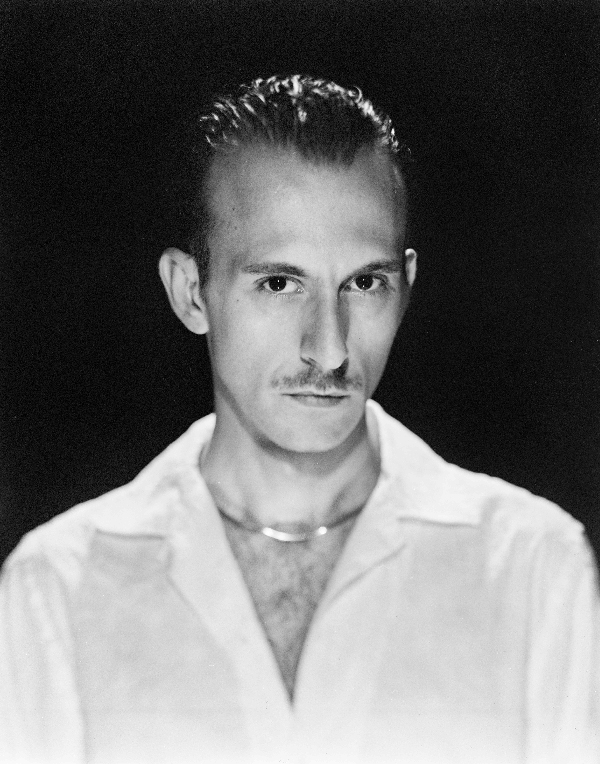
Biyografi
Ömer Tevfik Erten namı diğer ÖTE (d. 1990, Mardin), fotoğraf merkezli çalışan disiplinlerarası bir sanatçıdır. Cinsiyet, beden ve mekânın varoluşuna ilişkin anlatılarda sınırların ve geçişkenliklerin izini sürer. ÖTE sorularla çalışır. “Yer var mı?” (2013-2022) sorusundan, güncel pratiğini inşa ettiği “Sınır ihlal edildiğinde imge neyi çağırır?” sorusuna uzanan üretimi; dijital yüzeyin altındaki hayalet katmanları açığa çıkararak, gerçek ile muhayyelin eşzamanlı var olduğu öte-yerde, ara-alanda sözleşir. Sanatçının imgelerine kutsanmayı reddeden, geri gelme yöntemlerine dahi şüpheyle yaklaşan radikal, kırılgan olduğu kadar parçalanmışlığı ile bir bütün göz kamaştırıcı hayaletler musallat olur. Onun için sınır; fotoğrafın temsil tarihine ve izleyicinin görme alışkanlıklarına karşı açılmış, ışık sızan bir yarıktır. Through The Window Project (2020-2023) kuir dayanışma ağının eş küratörlüğünü üstlenen sanatçı; Trans X Turkey Grand Prize (2013), Prince Claus Fund Seed Awards (2022), PREE Fertile Ground Writing Competition (2024) ve 43. Akbank Günümüz Sanatçıları Ödülü (2025), FOTON Yılın Kavramsal Fotoğraf Ödülü (2025) dâhil olmak üzere pek çok takdirle karşılanmıştır. İstanbul’da yaşayan fotoğrafçı, Mimar Sinan Güzel Sanatlar Üniversitesi Fotoğraf bölümünde akademik temsilin içini oymaya, yeni oyun alanları aramaya ve üretmeye devam etmektedir.
Biography
Ömer Tevfik Erten, aka ÖTE (b. 1990, Mardin), is an interdisciplinary artist working primarily with photography. He traces boundaries and fluidities in narratives concerning the existence of gender, the body, and space. ÖTE works with questions. His production extends from the question “Is there room?” (2013–2022) to the question that frames his current practice: “When a border is transgressed, what does the image evoke?” By uncovering the ghost layers beneath the digital surface, his work makes a pact in the other-place, the in-between space where the real and the imaginary coexist simultaneously. The artist’s images are haunted by radical, fragile ghosts — beautiful in their fragmentariness as much as their wholeness — who refuse sanctification and even approach methods of return with suspicion. For him, the border is a crack through which light seeps, opened against the history of photographic representation and the viewing habits of the spectator.
The artist co-curated the Through The Window Project (2020–2023), a queer solidarity network. He has received numerous accolades, including the Trans X Turkey Grand Prize (2013), the Prince Claus Fund Seed Award (2022), the PREE Fertile Ground Writing Competition (2024), the 43rd Akbank Contemporary Artists Award (2025), and the FOTON Conceptual Photograph of the Year Award (2025). Living in Istanbul, the photographer continues to hollow out academic representation from within the Photography department at Mimar Sinan Fine Arts University, searching for new playgrounds and producing work.
Yaban Atları
Yaban Atları fotoğraf serisi, Diyarbakır’daki Hevsel Bahçeleri’nde; doğa, mit ve beden ekseninde yoldaşlığın çok katmanlı oluşunu görsel bir anlatıya dönüştürür. Dicle Nehri’nin taşıdığı tarihsel bellek ve Hevsel’in ekolojik dokusu, seriyi hem geçmişe hem de henüz yaşanmamış geleceğe açan zamansız bir eşikte misafir eder. Seri, evcilleşmenin bedelini doğasından kopmakla ödeyen, ama bu sayede dostuna kavuşan Enkidu’dan ilhamla adını Gılgamış Destanı’ndan alır. Enkidu’nun ölümü, tanrılara başkaldırının cezasıdır; onu ölüme açık hale getiren, doğayla bağını yitirip uygarlığa karışmasıdır. Bu bağlamda yaban atı, yalnızca vahşi doğaya ait bir figür değil, aynı zamanda sınırları, normları ve biçimlendirici yapıları aşan yoldaşlıkların metaforudur. Gençlik, seride hem düşüş hem de yükseliş, hem kayıp hem de kazanım olarak görünür: suya sıçrayan bedenler, çamura basan ayaklar, kısa süreli göz göze gelişler… Tümü, arzuların ve ilişkilerin geçici ama yoğun izlerini taşır. Dijital bozulmalar, yansımalar ve sarı tonlarla parçalanan pastoral görüntü, belleğin kırılgan yapısını şimdiye ve buraya çağırır. Dylan Thomas’ın Fern Hill şiirini anımsatan bu atmosferde, kayıp masumiyet ve zamandan sarkan hoyrat bir çocukluk hissi dolaşır. Yaban Atları, yoldaşlığı yalnızca insanlar arasında değil; doğa, hayvan, teknoloji ve imgelerle kurulan yaşamsal bir yakınlık alanı olarak ele alır. Çünkü bazıları hâlâ yaban atlarının soyundandır: Evcilleşmeyi reddeden, kaybolsa da bellekte direnen ve imgelere musallat olan varlıkların düşleri dizginlenemez.
The Wild Horses
The Wild Horses photo series unfolds a multilayered visual narrative of companionship, traced across the intersecting terrains of nature, myth and body in Diyarbakır’s Hevsel Gardens. Carried by the historical memory of the Tigris River and embedded within the ecological fabric of Hevsel, the series is hosted at a timeless threshold—one that opens onto both the past and an as-yet-unlived future. The series takes its name from The Epic of Gilgamesh, drawing inspiration from Enkidu—who pays for his domestication with the severance of his natural being, but in doing so, is reunited with his companion. Enkidu’s death is the punishment for defying the gods; yet what renders him vulnerable to mortality is his detachment from nature and his entry into the domain of civilization. In this context, the wild horse becomes more than a symbol of the untamed—it stands as a metaphor for forms of companionship that transcend boundaries, norms, and structuring forces. Youth appears in the series as both fall and ascent, loss and gain: bodies leaping into water, feet stepping onto mud, fleeting eye contact… All of these gestures carry the ephemeral yet intense imprints of desires and relationships. The pastoral image fragmented by digital distortions, reflections and shades of yellow, summons the fragility of memory into the here and now. Within an atmosphere that evokes Dylan Thomas’s Fern Hill, the work carries a sense of lost innocence and a raw, unruly childhood suspended in time. The Wild Horses approaches companionship not merely as a bond between humans, but as a vital zone of proximity—formed with nature, animals, technology, and images alike. For some still belong to the lineage of wild horses: Those who resist domestication, who disappear yet persist in memory, and whose dreams haunt the image—forever unbridled.